
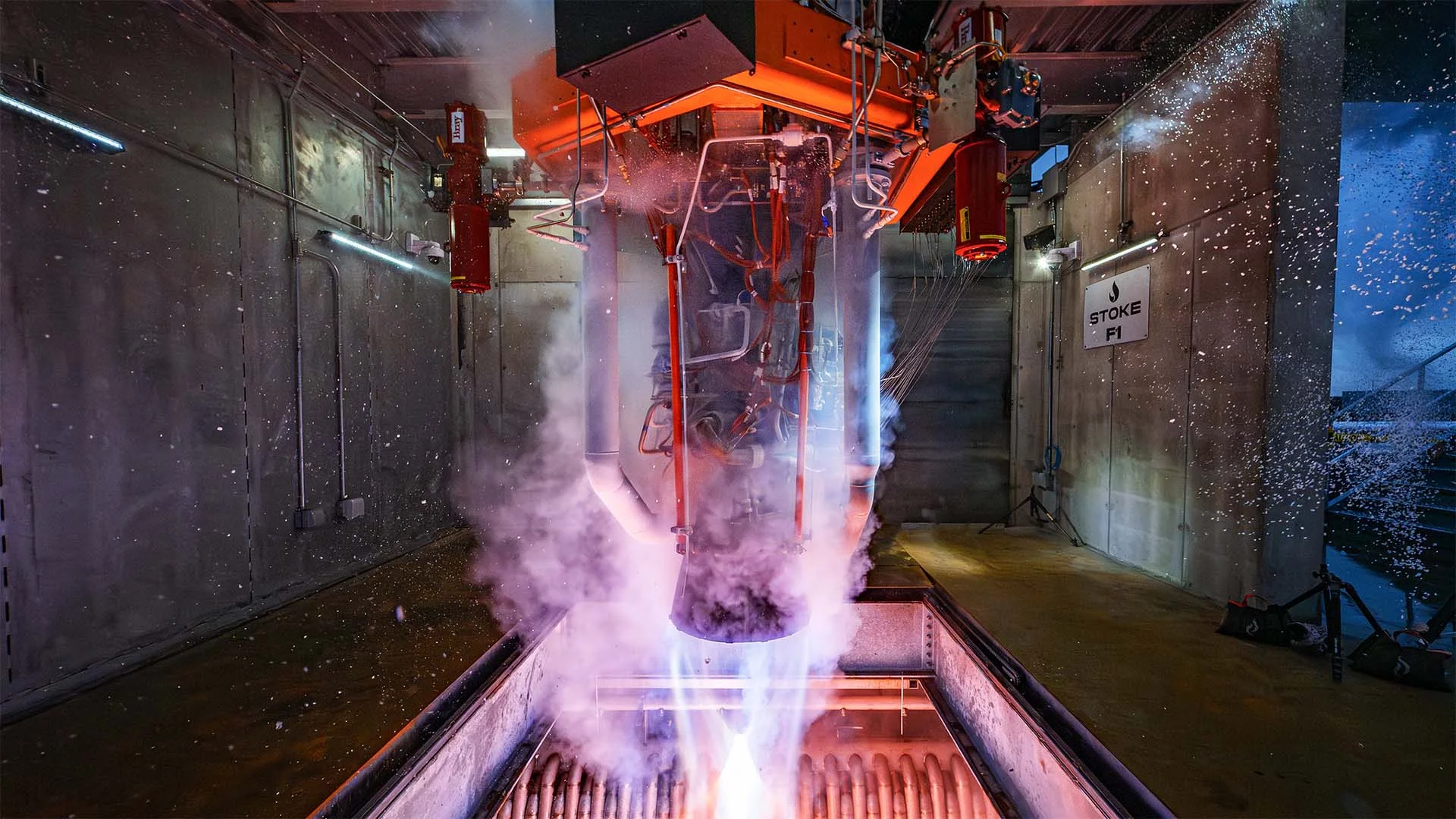
America has seen big rockets before, but it has never seen one being treated this much like industrial equipment. Starship Rocket Reusability is not only about landing a booster for applause; it is about whether the United States can turn launch from a rare event into a repeatable service. The core question is simple: if SpaceX can recover, inspect, refuel, and fly the same giant system again, space launch costs could move from custom aerospace pricing toward factory-style pricing. That would reshape satellites, lunar logistics, national security, research, and even the way U.S. companies plan business in orbit. The hard part is that reusable rockets do not save money because they land. They save money only when they fly again often, safely, and with less repair work than a new vehicle would require. That gap between “landed” and “cheap” is where the real story lives, and it is where SpaceX Starship still has to prove itself. For readers tracking space technology coverage, the money question matters more than the fireball footage.
Why Full Reuse Changes the Space Cost Equation
Reusable launch has already changed the American space market, but Starship aims at a harder target. Falcon 9 proved that a first stage can return and fly again. Starship is trying to make both stages recoverable, including the ship that reaches space and comes back through brutal heat. That second part is the expensive part, and it is also the reason investors, NASA planners, and defense buyers keep watching.
Why landing is only the beginning of the price story
A rocket landing looks like the finish line because it is loud, visual, and easy to understand. The hidden test starts after the cameras turn off. Teams have to inspect engines, check tanks, study heat damage, replace worn parts, and decide whether the vehicle is fit to fly again.
That is where reusable rockets face their dullest but most important exam. A booster that needs weeks of work after each flight is not an airplane-like asset. It is a trophy with a maintenance bill. The cost drops when the post-flight routine becomes boring.
Think about a delivery truck. Owning the truck is cheaper than buying a new one for every route, but only if the truck spends most of its life moving goods. If it sits in a garage after each trip while mechanics rebuild half the engine, the savings shrink fast. Rockets are harsher, but the business logic is the same.
The non-obvious point is that reuse can raise costs at first. Extra hardware, landing propellant, stronger structures, heat shield work, and tower systems all add expense before savings arrive. SpaceX is betting that those early costs become small when spread across many flights.
How payload mass changes the math for American customers
Space launch costs are often discussed as dollars per launch, but the better question is dollars per useful pound delivered. A larger vehicle can change that ratio even before perfect reuse arrives. If one flight carries far more cargo, fewer launches may be needed for a satellite network, a lunar cargo plan, or a research campaign.
That matters for U.S. companies building constellations. A satellite firm in California or Colorado does not only care about the sticker price of the ride. It cares about how many spacecraft can go up together, how fast a network can be refreshed, and whether launch delays slow revenue.
SpaceX Starship also creates a strange pressure on satellite design. When launch volume becomes less scarce, engineers may stop shaving every ounce. They can build heavier power systems, larger antennas, or cheaper structures. Cheap mass can change design taste.
That does not mean waste becomes smart. It means the old rulebook bends. For decades, space hardware was built like jewelry because every pound hurt. Lower space launch costs could let more American teams build hardware like equipment, not museum pieces.
Starship Rocket Reusability Technology Progress Is Moving From Spectacle to Shop Floor
The first Starship flights were public experiments, not polished transport services. That matters. SpaceX has used visible failure as a learning tool, which can look reckless to casual viewers but fits its test culture. The deeper question is whether that test data is turning into repeatable operations rather than one-off moments.
The booster catch was a symbol, but the factory is the signal
The Super Heavy booster catch grabbed attention because it looked unreal. A launch tower catching a returning booster with giant arms feels like science fiction made physical. Still, the catch itself is not the main prize.
The prize is removing landing legs, reducing vehicle weight, and bringing the booster back to the launch site where it can be worked on near the next flight. That is a ground-operations idea as much as a flight idea. The tower is not a prop. It is part of the cost model.
A specific American detail matters here: the launch site in South Texas is being shaped around rapid iteration. The vehicle, tower, tank farm, road closures, local permitting, and FAA oversight all sit in one connected system. A cheaper rocket cannot ignore the town, airspace, shoreline, or workforce around it.
The counterintuitive part is that the launch pad may become as important as the rocket. If the vehicle can fly again but the pad, regulators, or recovery zone cannot support the pace, the savings stall. Reuse is not one machine. It is a traffic pattern.
The upper stage is the tougher economic gate
Recovering the booster is hard. Recovering the ship after orbital-speed reentry is harder. Heat shielding, flaps, engines, header tanks, and guidance systems must survive a violent return without turning the vehicle into a repair project after each flight.
This is where space launch costs meet physics. The upper stage reaches far higher speed than the booster. It must deal with heat, plasma, and long-duration mission needs. That is why the ship’s return tests matter even when the public focuses on whether the landing looked neat.
For lunar missions, the issue gets even more layered. NASA’s Human Landing System program depends on industry landers, and SpaceX’s lunar version is meant to carry astronauts between lunar orbit and the surface. Readers can review NASA’s official explanation of the Human Landing System program for the agency’s role and goals.
The hard lesson is that the ship may save money in one market before it saves money in another. Starlink deployment could benefit from large payload volume sooner than crewed lunar work does. Human missions have less tolerance for rough edges. Cargo can teach the system first.
Lower Launch Prices Would Create New Winners and New Bottlenecks
Cheaper access to orbit sounds like a clean win, but markets rarely move that politely. When one input gets cheaper, pressure shifts somewhere else. For space, the bottleneck may move from launch price to satellite production, spectrum rights, ground stations, insurance, debris rules, and customer demand.
Satellite builders may gain speed before consumers see savings
A lower launch bill does not mean your satellite internet plan drops overnight. Companies may first use savings to launch more capacity, refresh hardware faster, or enter regions that were hard to serve. The consumer effect comes later, after competition and capacity push prices.
For a U.S. satellite company, the first benefit could be schedule control. Missing a launch slot can slow a whole business plan. If reusable rockets fly often, companies can recover from delays faster. That is worth money even when the listed launch price does not fall as much as fans expect.
This is why satellite business models should be judged by cadence, not launch headlines alone. A launch system that flies often gives planners more room to make mistakes. In space, that flexibility is rare.
The odd insight is that cheap launch can expose weak companies. When the ride gets easier, the satellite, software, sales model, and customer support have fewer excuses. Lower launch prices do not make every space startup smart. They reveal which ones were waiting on launch and which ones had no real market.
National security could value tempo more than bargain pricing
The Pentagon may care about cost, but it cares more about response time when a crisis hits. If a satellite is damaged, jammed, or lost, a fast replacement can matter more than saving a few million dollars. Reuse may give the U.S. a launch rhythm that rivals cannot match.
That changes the meaning of space launch costs. A low price is useful. A low price with fast availability is stronger. A low price with heavy payload capacity and repeat flights from U.S. soil becomes a strategic tool.
Picture a weather satellite, a missile-warning payload, or a batch of communications spacecraft needing a rapid ride. Today, launch planning can feel like booking a rare operating room. A mature Starship system would aim to make it feel closer to freight scheduling, though that is still an ambition rather than a finished state.
There is a catch. National security customers will demand reliability, clean mission assurance, and predictable oversight. A test program can accept dramatic learning. A defense mission cannot shrug off avoidable risk. Cheap is not enough when the payload is tied to American security.
The Real Cost Impact Depends on Regulation, Repair, and Flight Rate
The biggest mistake is treating reusability as a switch. It is not off one year and on the next. It arrives in layers: partial recovery, controlled splashdowns, tower catches, engine reuse, tile survival, fast inspections, repeat flights, and then higher cadence. Each layer has its own cost effect.
FAA oversight can slow flights, but it also protects the market
Some space fans frame regulation as the enemy of progress. That view is too easy. FAA licensing, mishap reviews, environmental assessments, and airspace planning can slow a program, but they also protect the public trust that commercial space needs.
South Texas makes this plain. Launch operations affect beaches, wildlife areas, nearby residents, fishing routes, aircraft, and local roads. A rocket that aims to fly often has to fit into American civic life. That is messier than a launch animation.
SpaceX Starship is not being developed in an empty desert with no neighbors. It is being built inside a real legal and environmental setting. That means progress includes paperwork, public comment, safety reviews, and changes after mishaps.
The non-obvious point is that regulation can help the cost curve if it forces better repeatability. A company that must explain failures, document fixes, and operate under known rules may build a cleaner system over time. Bad oversight can waste time. Good oversight can make reuse bankable.
Repair time may decide whether the dream becomes a price cut
A reusable ship that needs deep tile work after every flight will not deliver the same savings as one that returns with minor wear. Heat shield labor could become the quiet villain of the whole cost story. Engines matter too, but thermal protection may decide the ship’s rhythm.
Airlines do not make money because airplanes can land. They make money because airplanes can land, be checked, boarded, fueled, and sent out again on a schedule. Starship’s target is not to copy airlines in every detail. The useful lesson is asset use.
For commercial space infrastructure, this shifts attention to hangars, cranes, propellant supply, inspection software, engine test stands, and trained crews. The rocket is glamorous. The savings may come from the checklist.
That is why the impact on space launch costs will likely arrive unevenly. Large internal SpaceX missions may see benefits first because the company controls the payload and can accept more risk. Outside customers, NASA missions, and national security flights will demand a longer proof record. That is not failure. That is how a new transport system earns trust.
Conclusion
The promise of Starship is not that every launch suddenly becomes cheap. That would be a cartoon version of the story. The better argument is that a giant reusable system could change the slope of American space economics if it reaches high cadence with limited repair time. Starship Rocket Reusability sits at the center of that bet, but the bet is still being tested in steel, heat, paperwork, and flight data. The next few years will show whether the system can move from dramatic demonstrations to routine service. If it can, the biggest winners may not be the loudest space dreamers. They may be the builders who suddenly treat orbit as a place where normal business planning is possible. For U.S. readers, that means watching less for fireworks and more for boring signs: repeat flights, short inspections, clear licenses, steady customers, and vehicles that come back ready to work. That is where the cost revolution would begin. Keep your eyes on the turnaround.
Frequently Asked Questions
How much could Starship lower launch costs?
Costs could fall if the system flies often and needs limited repair between missions. The biggest savings would come from reusing both stages, carrying heavy payloads, and spreading fixed costs across many launches. The final price depends on flight rate, refurbishment, insurance, and customer demand.
Is Starship fully reusable right now?
No. The system is designed around full reuse, but the full business case still needs repeat flight proof. Booster recovery has made visible progress, while the ship’s high-speed return and heat shield durability remain key tests before routine reuse can be claimed.
Why does Starship matter for NASA missions?
NASA selected a Starship-based lunar lander for Artemis missions, so its progress affects future Moon landing plans. The vehicle’s large size could carry crew, cargo, and surface equipment in ways smaller landers cannot, but human missions require strict safety proof.
Will reusable rockets make space tourism cheaper?
They may lower some costs over time, but space tourism will stay expensive until safety, training, insurance, and operations mature. Launch price is only one part of the ticket. Crew support, life systems, and mission risk keep prices high.
What is the hardest part of reusing Starship?
The upper-stage return is the hardest economic test. It must survive extreme reentry heat, protect its engines and tanks, and come back with limited damage. If repair work stays heavy, the savings from reuse become much smaller.
How do lower space launch costs help satellite internet?
Lower costs can let companies launch more satellites, refresh older hardware, and add capacity faster. That can improve coverage and network performance. Consumer prices may fall later if competition, capacity, and operating costs move in the same direction.
Why does the FAA affect Starship launch progress?
The FAA oversees public safety, licensing, mishap reviews, airspace, and environmental concerns for U.S. commercial launches. Starship’s planned flight rate affects nearby communities and airspace, so approvals are part of the path toward regular operations.
Is Starship only useful for Mars missions?
No. Mars is the bold long-term story, but nearer uses may matter first. Satellite deployment, lunar cargo, NASA lander work, defense payloads, research platforms, and large in-space infrastructure could all benefit before any crewed Mars mission happens.