
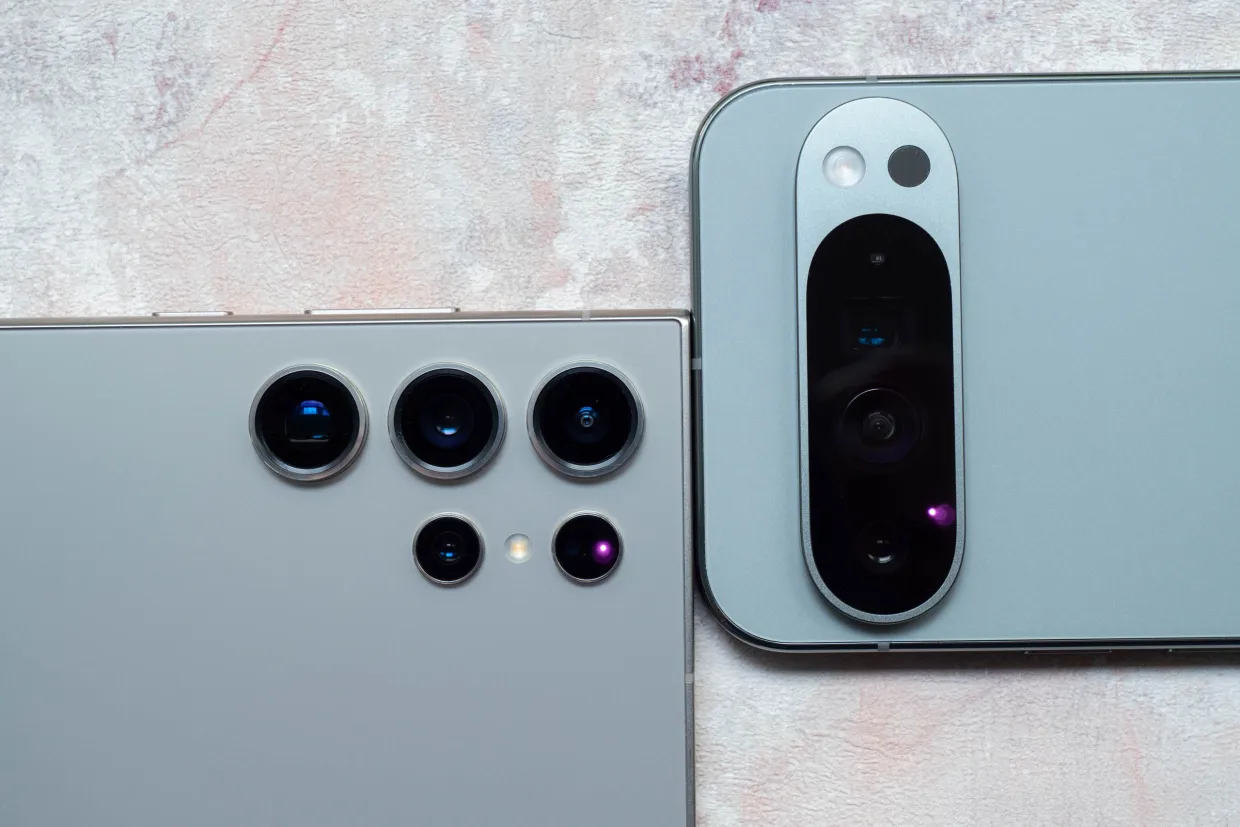
A great phone camera does not ask you to think like a photographer before your kid turns away from the birthday candles. The Pixel 9 Pro Camera sits in that sweet spot: fast stills, smart recovery tools, clean skin tones, and enough zoom to cover most normal life. Against Apple and Samsung, the choice is not “which phone has the biggest number?” It is whether you care more about easy photos, controlled video, or long-range flexibility. A fair iPhone camera comparison still favors Apple for video polish, while Samsung’s Ultra phones chase reach with more aggressive hardware. For U.S. buyers comparing carrier deals, trade-ins, and upgrade timing, the better question is simpler: which camera saves the most shots you would hate to lose? For more clear tech buying guides, digital product coverage can help readers think beyond hype and spec sheets.
Where the Pixel 9 Pro Camera Wins Without Showing Off
Google’s strength is not theater. It is the way the phone handles messy scenes without making you work for them. The Pixel 9 Pro and Pro XL share the same core features, and Google highlighted the 42 MP front camera, improved imaging pipeline, Add Me group-photo feature, rebuilt low-light Panorama, and Video Boost improvements when the line launched. That matters because most people are not shooting a studio test chart. They are shooting a dog under porch lights, a lunch table near a window, or a child running across a school gym.
Still Photos Reward the Person Who Shoots Fast
Pixel photos tend to flatter ordinary moments. The phone reads faces well, holds onto detail in bright skies, and tries not to turn shadows into muddy gray. When you are taking a quick photo at a Little League game in Ohio or a family barbecue in Texas, that calm processing helps.
The non-obvious win is speed of confidence. Not raw shutter speed. Confidence. You take the shot and trust that the phone made enough small decisions in the background: exposure, face priority, skin tone, shadow lift, motion repair. That is the hidden value in smartphone photography.
Samsung can give you more room to experiment, and Apple can feel more controlled. But the Pixel often gives you the most shareable still photo with the least fuss. That is why casual shooters keep coming back to it even when rival phones look stronger on paper.
Color Choices Matter More Than Megapixels
Megapixels get attention because they are easy to compare. Color is harder. It is also what people notice first. A photo of a friend under warm restaurant lighting can look honest, waxy, cold, or orange depending on the phone’s taste.
Google’s taste leans toward realism with a bit of lift. That makes food, faces, skies, and city scenes feel close to what you saw. For creators writing a smartphone camera buying guide, this is the part worth explaining: a camera can have fewer dramatic tricks and still produce better daily photos.
The counterintuitive part is that restraint can feel more premium than punch. Samsung’s color can look bold on a store display. Apple’s color can look steady across devices. Pixel wins when you want the photo to feel familiar, not staged.
Video Is Where Apple Still Makes Its Case
The battle changes once you hold the record button. Apple’s iPhone 16 Pro camera setup includes a 48 MP Fusion camera, 48 MP Ultra Wide, and 12 MP 5x Telephoto, plus 4K Dolby Vision recording, ProRes, Log video recording, and support for 4K Dolby Vision up to 120 fps on the Fusion camera. Those features are not only for filmmakers. They help parents, small business owners, real estate agents, and social creators get cleaner clips with less repair work later.
Why an iPhone Camera Comparison Gets Tough After Sunset
Low light separates casual video from reliable video. A phone can take a nice night photo by blending frames, waiting a beat, and doing heavy processing. Video has less room to cheat. The phone has to manage movement, sound, exposure shifts, and focus while the scene keeps changing.
That is where Apple still feels mature. Walk through a dim parking lot after a concert, film a plate at a crowded restaurant, or record a quick product clip for Facebook Marketplace. The iPhone often keeps the footage steady and natural without making the scene look overcooked.
An iPhone camera comparison should not claim Apple wins every photo. It does not. But for video, the iPhone’s advantage is consistency. The clip may not look flashy, yet it tends to survive editing, sharing, and playback across apps.
The Social App Problem No Spec Sheet Solves
A phone’s camera app can be excellent while Instagram, TikTok, Snapchat, or a banking verification app treats the feed poorly. That gap frustrates Android users because the camera hardware may be strong, but the app experience may not match the native camera.
Pixel has improved, and many apps behave better than they did years ago. Still, Apple benefits from a tighter hardware-software-app pipeline. For a U.S. realtor recording house walkthroughs or a gym owner posting class clips, that pipeline can save time.
The odd truth is that the best phone for video may not be the one with the most exciting camera. It may be the one that creates the fewest surprises after upload. For creators, mobile video editing workflow matters as much as sensor size.
Zoom, Macro, and Reach Belong to Samsung’s Bigger Philosophy
Samsung takes the opposite road from Google. It gives you more lenses, more range, and more ways to frame a scene before cropping. The Galaxy S25 Ultra lists a 50 MP Ultra Wide, 200 MP Wide-Angle, 50 MP 5x Telephoto, 10 MP 3x Telephoto, and 12 MP selfie camera, with Samsung also promoting improved 10-bit HDR night video. That is a lot of hardware in your pocket.
What the Samsung Flagship Camera Does With Extra Lenses
The Samsung flagship camera makes sense when your subject is not close. Think high school football bleachers, a graduation stage, a zoo visit, or a skyline from across the river. Pixel can handle many zoom needs, but Samsung gives you more native framing choices before software has to stretch the image.
This is where the Ultra model feels like a tool bag. The 3x lens works well for portraits and closer street shots. The 5x lens gives reach without jumping straight into heavy digital zoom. The high-resolution main sensor gives room to crop when the light is good.
But more choice can also slow you down. Some people open the camera and hesitate. Which lens? Which zoom? Which mode? A Samsung flagship camera rewards users who like control, but it can feel busy when you only wanted one clean photo before the moment passed.
When Long Zoom Helps and When It Tricks You
Long zoom feels magical the first week. You photograph a moon, a building sign, a player across the field, and a bird on a power line. Then you learn the hard part: distance magnifies hand shake, heat haze, moving subjects, and dirty glass.
Samsung’s reach is still useful. It can get shots Pixel and iPhone may not frame as well. Yet the best zoom photo is often not the one with the largest number on screen. It is the one taken at a sane distance with enough light and a steady hand.
That is the counterintuitive lesson. Extreme zoom sells phones, but moderate zoom keeps memories. For most people, 2x, 3x, and 5x matter more than wild digital reach.
Editing, AI, and Trust Decide the Long-Term Winner
The next camera war is not only about capture. It is about what happens after capture. Google’s Pixel line pushed hard into AI editing, group-photo repair, low-light processing, and photo rescue tools. Apple focuses on capture discipline and workflow. Samsung blends hardware range with AI cleanup. Each path says something different about trust.
Computational Tools Can Save the Photo You Almost Lost
Pixel’s editing tools matter because real photos are imperfect. Someone blinks. A stranger walks behind your family. The horizon tilts. A toddler runs out of frame. Google’s pitch is that the phone can help rebuild the shot you meant to take.
That is useful, but it raises a small trust question. At what point does a repaired memory stop being a record? Removing a trash can from a vacation photo feels harmless. Adding people, changing skies, or rebuilding scenes can feel different.
The best use of AI is repair, not deception. Pixel is strongest when it saves a near-miss. For smartphone photography, that may be more valuable than another lens. A saved face in a blurry birthday photo beats a perfect 100x test shot no one cares about.
The Best Camera Is the One You Trust Before You Tap
Trust is the real buying guide. Pixel users trust the phone to make still photos look good without fiddling. iPhone users trust the phone to record clean video and behave well across apps. Samsung users trust the phone to give reach, modes, and framing choices.
A New York parent shooting a school recital may prefer Samsung’s zoom. A Los Angeles creator filming daily reels may pick iPhone. A Chicago family that mostly takes photos of people, pets, food, and trips may find Pixel easier to love.
There is no single winner for all hands. The smart pick depends on what you shoot when you are tired, rushed, or standing in bad light. That is where marketing fades and real ownership begins.
Conclusion
The most honest answer is not the loudest one. Pixel, iPhone, and Samsung all win different parts of the camera fight, and each brand carries a clear personality into the final image. The Pixel 9 Pro Camera remains the safest pick for people who want dependable still photos, smart editing, and low effort without giving up premium features. Apple is still the better choice when video is the main reason you upgrade. Samsung is the better choice when zoom range and hardware flexibility matter more than simplicity. Buy based on your weak spot, not the brand’s strongest demo. If you miss shots because people move fast, choose Pixel. If your clips matter more than your photos, choose iPhone. If distance keeps ruining your framing, choose Samsung. The best camera phone is the one that saves your real life, not the one that wins a spec-table argument.
Frequently Asked Questions
Is the Pixel 9 Pro better than the iPhone for photos?
For still photos, many everyday users may prefer Pixel because it handles faces, shadows, and quick scenes with less effort. The iPhone is stronger for video and creator workflows. Pick Pixel for easy family photos; pick iPhone when recording matters more.
Is Samsung better than Pixel for zoom?
Samsung is better for long-range framing, especially on Ultra models with extra telephoto hardware. Pixel zoom is useful for normal travel, events, and portraits, but Samsung gives more reach when the subject is far away.
Which phone is best for video recording?
The iPhone is the safer video choice for most buyers. Its recording options, app behavior, stabilization, and editing support make it easier to trust for social clips, client videos, family events, and travel footage.
Does the Pixel 9 Pro take good night photos?
Yes, it performs well in low light, especially for still photos of people, streets, food, and indoor scenes. The phone’s processing helps recover detail and balance exposure, though fast-moving subjects can still challenge any phone camera.
Which camera is easiest for beginners?
Pixel is the easiest for most beginners because it asks for fewer decisions. You can open the camera, frame the subject, and shoot. Samsung gives more options, while iPhone gives more control for video-minded users.
Is the Samsung flagship camera too complicated?
It can feel crowded for people who only want quick photos. The extra lenses and modes are useful, but they also add choices. Users who enjoy experimenting will appreciate it more than users who want one simple shutter button.
Should I buy a phone camera based on megapixels?
No. Megapixels help in some cases, but color, processing, lens quality, stabilization, focus, and app support matter more in daily use. A lower-resolution shot can look better if the phone makes smarter choices.
What is the best camera phone for family photos?
Pixel is a strong family-photo pick because it handles faces, mixed lighting, and quick moments well. iPhone is better if you record lots of family video. Samsung is better when you often shoot from far seats at events.